


The Venice Film Festival has unveiled an impressive line-up for its 81st edition, with a mix of established auteurs and rising talent across a range of genres and styles. The festival’s new president Pietrangelo Buttafuoco and long-standing artistic director Alberto Barbera announced the main festival’s lineup on Tuesday morning, following the previous announcements for the festival’s Critic’s Week and its Giornate degli Autori independent sidebar.
Isabelle Huppert will lead the Competition jury, alongside figures including directors James Gray, Andrew Haigh, Agnieszka Holland, and others. With over 100 films across all the strands and sidebars, there’s a lot on offer – but I’ve put together this watchlist of thirty films for which I’m particularly jazzed. I’m limited myself to films premiering at the festival, and they’re ranked purely by my personal level of excitement. Take a look and see if you agree – and let’s see if my number one lives up to the buzz it’s already garnished in my imagination…
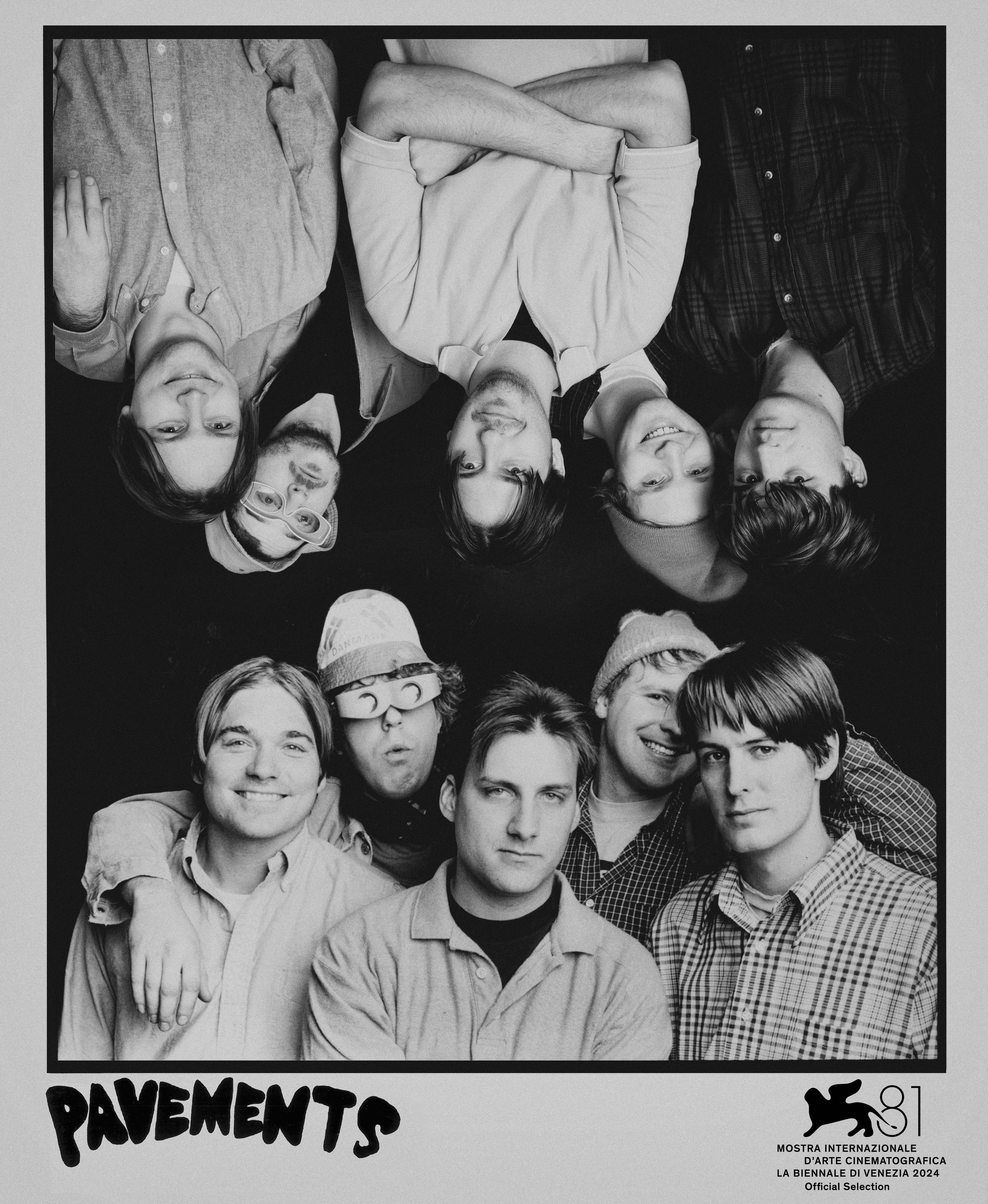
30. Pavements (Alex Ross Perry, USA)
I reckon Her Smell is easily Alex Ross Perry’s best work to date, and he returns to the world of alt-rock with this documentary look at Pavement, one of the biggest bands to have come out of America’s 1990’s alt-rock scene. A film that’s leave you asking: won’t you go and cut your hair?
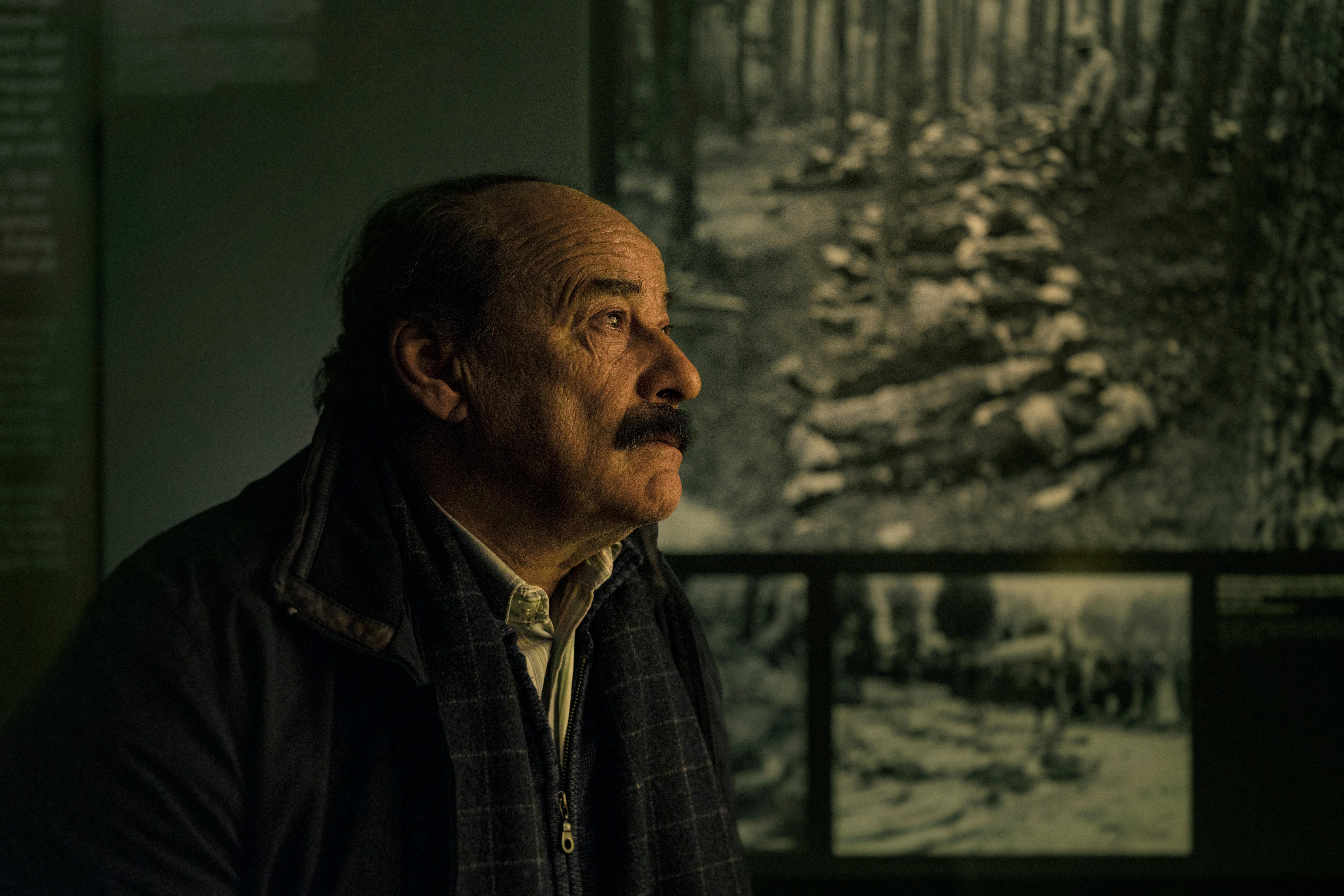
29. Marco (Aitor Arregi & Jon Garaño, Spain)
Eduard Fernández stars in this tense true-life Spanish drama as a man who pretended for decades to be a survivor of a Nazi extermination camp, rising to lead the local survivor’s association – before it all came crashing down.
28. The Quiet Son (Delphine Coulin & Muriel Coulin, France)
This adaptation of Laurent Petitmangin’s novel What’s Necessary at Night stars Vincent Lindon in the lead role. After Claire Denis’s Bastards and Julia Ducournau’s Titane, I’ll trust Lindon’s nose for a strong script and an exciting director.
27. Riefenstahl (Andres Veiel, Germany)
Venice has plenty of documentaries on cinema this year, but it’s hard to image a thornier subject than this one – the woman who was gifted a generational talent, used it in support of unspeakable evil, and spent the rest of her life excusing herself whilse exoticising Black Africans.
26. Love (Dag Johan Haugerud, Norway)
A female doctor in her late forties has no desire for a permanent relationship. But when a male nurse talks about how random meetings with men sometimes lead to rewarding and non-committal sex, she notices how this is exactly what she wants, in Dag Johan Haugerud’s erotic quest of self-discovery. This already has plenty of buzz from people hoping for another female-focused Norwegian crossover hit, in the manner of The Worst Person In The World or I’m Sick of Myself. Here’s hoping Haugerud can come through!
25. Happyend (Neo Sora, Japan)
Previously known as Earthquake, Japanese-American director Neo Sora’s newly-retitled film depicts a near-future Tokyo awaiting destruction as the city is rocked by a series of foreshocks that predict a larger, more disastrous quake on the horizon. With the anxiety looming over them, a group of teenage best friends and musicians get into typical teenager trouble that tests the strength of their relationships. Featuring a hip Japanese cast including idols like HIDAKA and PUSHIM, this promises to be a buxxy look at disaffected Japanese youth.
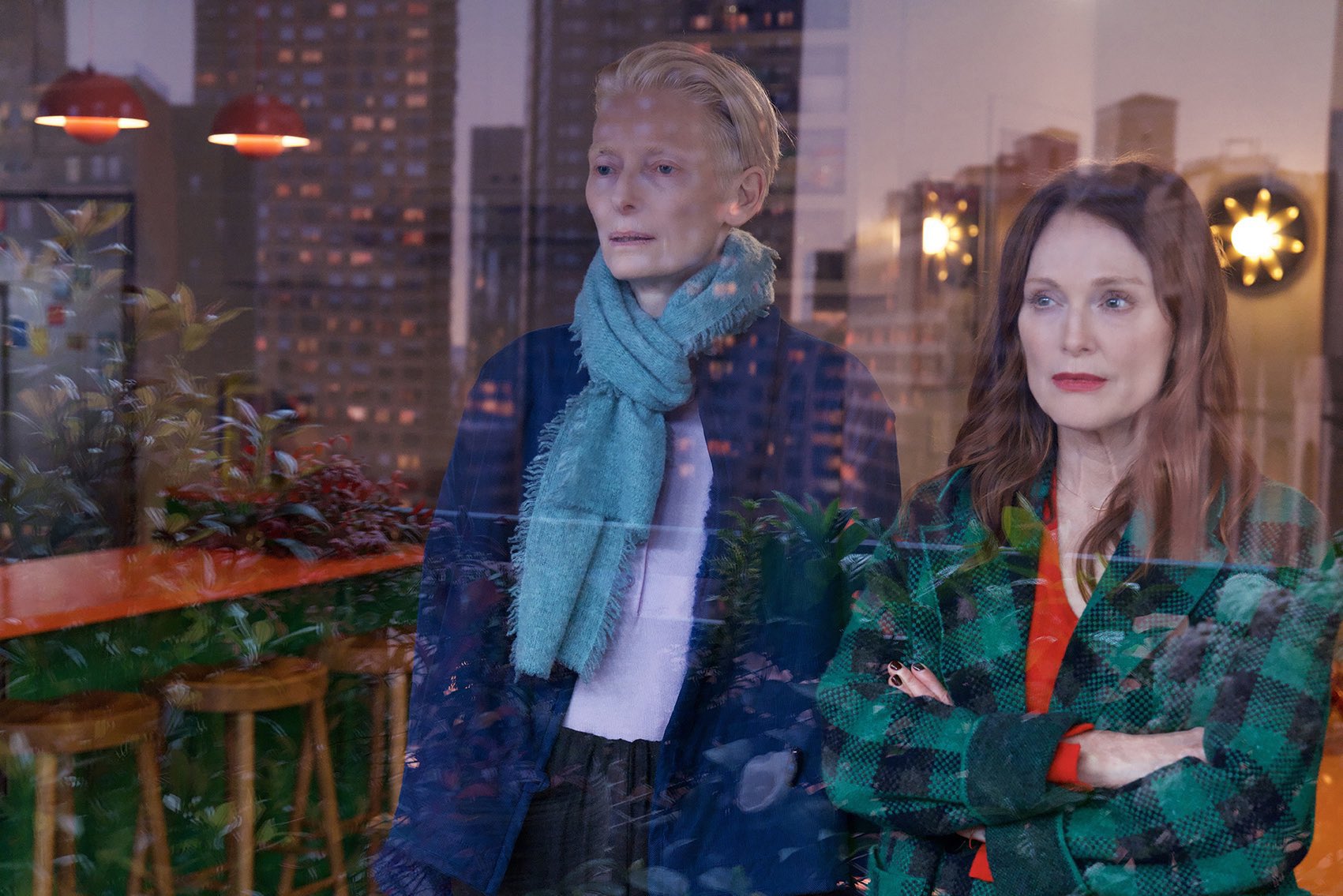
24. The Room Next Door (Pedro Almodóvar, Spain)
Almodóvar returns with the story of Martha, a flawed mother working as a war reporter, and Ingrid, her spiteful daughter who is an auto-fictional novelist. When the mother and daughter are separated by a serious misunderstanding, another woman proves central to their relationship. Almodóvar is known for providing juicy roles for female actors, and the two women here are played by Tilda Swinton and Julianne Moore (the latter fresh from the superb May December, which occupied semi-similar territory).
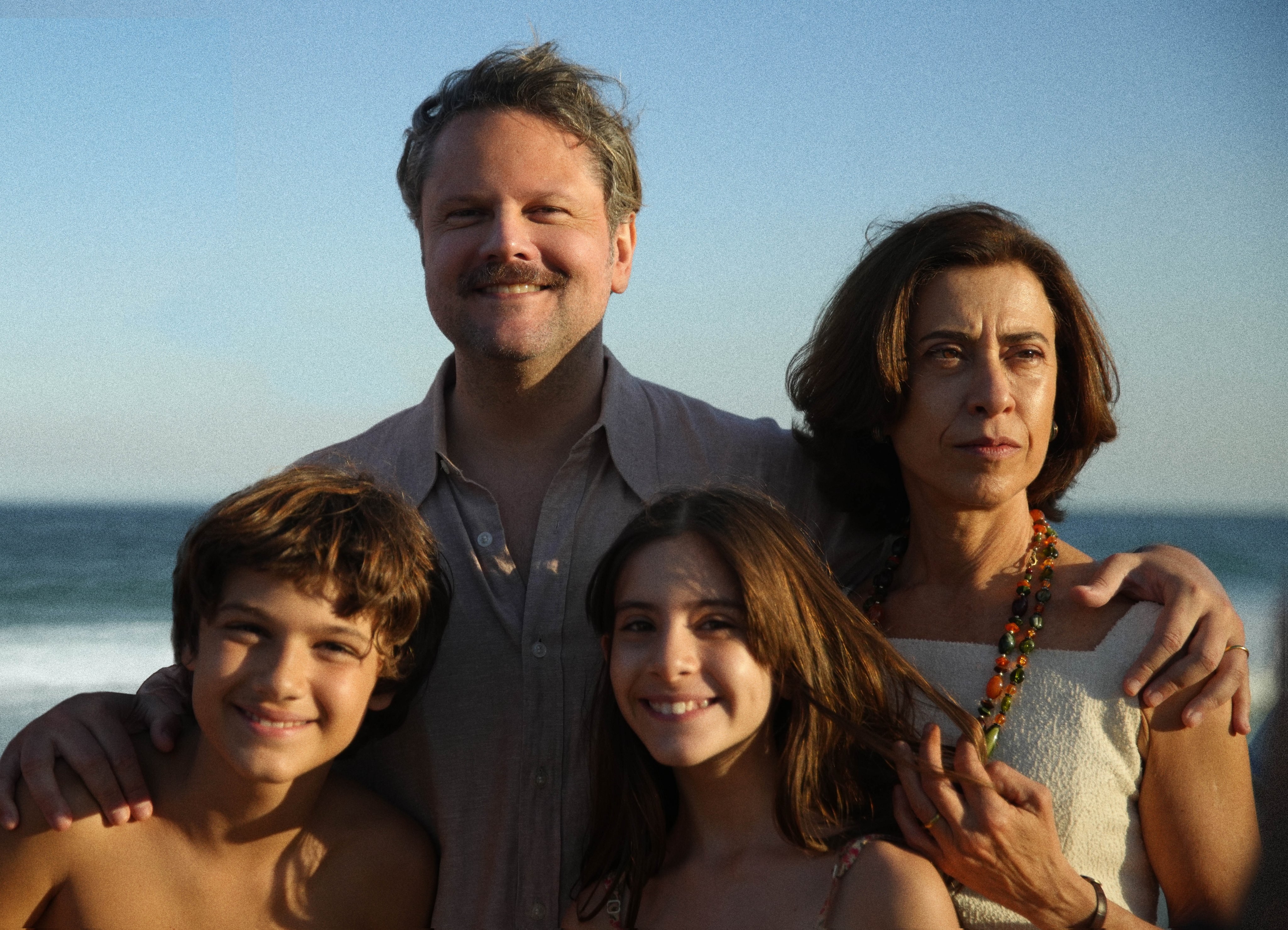
23. I’m Still Here (Walter Salles, Brazil/France)
Walter Salle’s latest is set in the Rio de Janeiro of the 1970s, during the dictatorship, former deputy Rubens Paiva was taken from his home by soldiers to be interrogated. He was never found again. The search for truth lasts 30 long years – and when the answers begin to appear, Eunice Paiva feels the first symptoms of Alzheimer’s disease. Salles was the director of Central Station (1998) and The Motorcycle Diaries (2004). Does he still have the juice? And will this overtake the Joaquin Phoenix film of the same name? Sort your SEO rankings out, people!
22. Sanatorium Under the Sign of the Hourglass (Brothers Quay, UK/USA)
Iconic animators the Brothers Quay are known for their darkly fantastical works, including their masterpiece (in my opinion) The Street of Crocodiles. In this latest film, a man journeys by rail to a nameless sanatorium where his father has recently died. Once there, time loses its linearity and he finds himself in a world that appears both strange and strangely familiar. Adapted from the Polish novel by Bruno Schulz, previously made in live-action as The Hourglass Sanatorium in 1973, this sounds like classic Quay territory to me – I’m already looking forward to a disturbing stop-motion phantasmagoria.
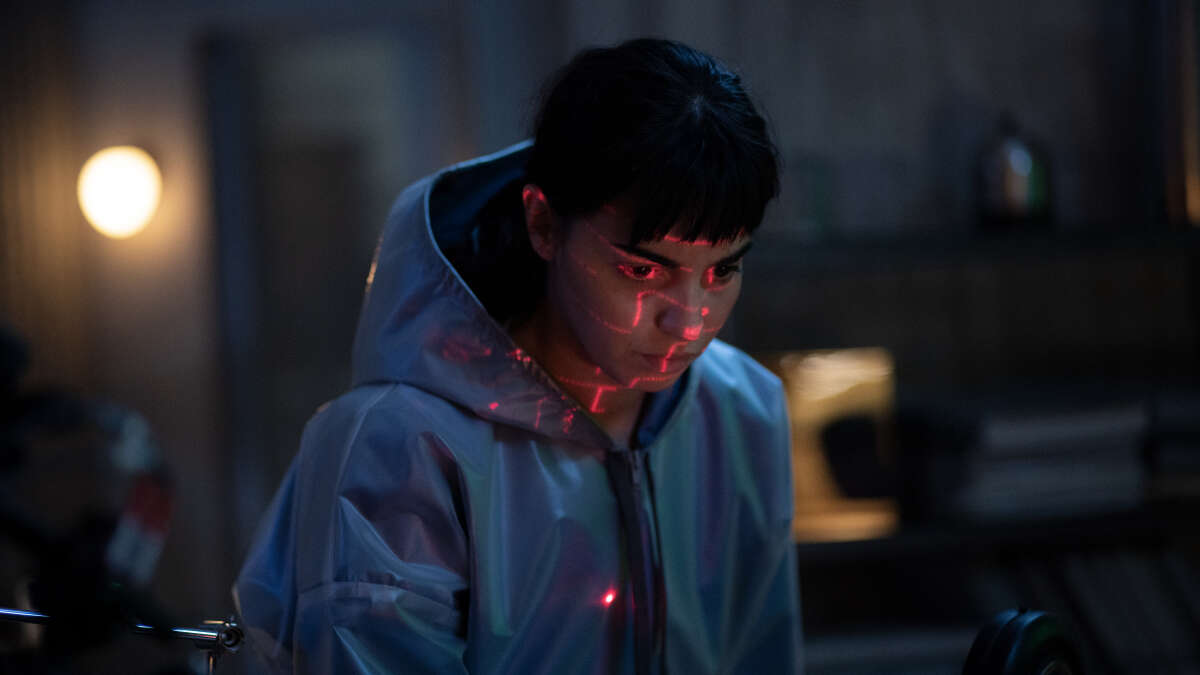
21. Planet B (Aude Léa Rapin, France)
A science-fiction thriller in which Julia, an activist participating in a violent protest, is shot in the eye by a flash-ball gun and wakes up in an unknown world called Planet B. A rare sci-fi movie at Venice, the plot of this one sounds positively Gilliam-esque. Director Rapin has a mostly documentary-based filmography, so this move to genre work should be a fascinating transition.
20. Harvest (Athina Rachel Tsangari, UK)
Three newcomers to a village become scapegoats in a time of economic turmoil, in this horror-tinged tale of English darkness, from the Greek director of Chavalier and Attenberg. Do we still use the phrase “New Greek Weird” that Lanthimos hates so much? Can we still use it in the UK? Maybe this is the New British Weird.
19. Kill The Jockey (Luis Ortega, Argentina)
An Argentinian crime drama in which upcoming jockey Abril (Úrsula Corberó) is made pregnant by her talented but self-destructive rival Remo (Daniel Giménez Cacho) and has to decide between child or continuing to race for Sirena, an businessman who saved Remo’s life in the past. This crime drama comes from the director the excellent El Angel, which is enough reason for anyone to want to check it out.
18. Youth (Homecoming) (Wang Bing, France/Hong Kong/USA)
Shiwei still has a mountain of fabric to cut and Xiao Dong is chasing bosses to get paid, six months after having completed his deliveries. In this latest instalment of Youth, Wang Bing starts out in Zhili’s deserted textile workshops on New Year’s Eve, before travelling to Shiwei’s marriage in the Yunnan mountains. A further exercise in durational documentary filmmaking from Wang Bing, China’s answer to Frederick Wiseman, following young Chinese sweatshop workers and the reality of their lives and loves.
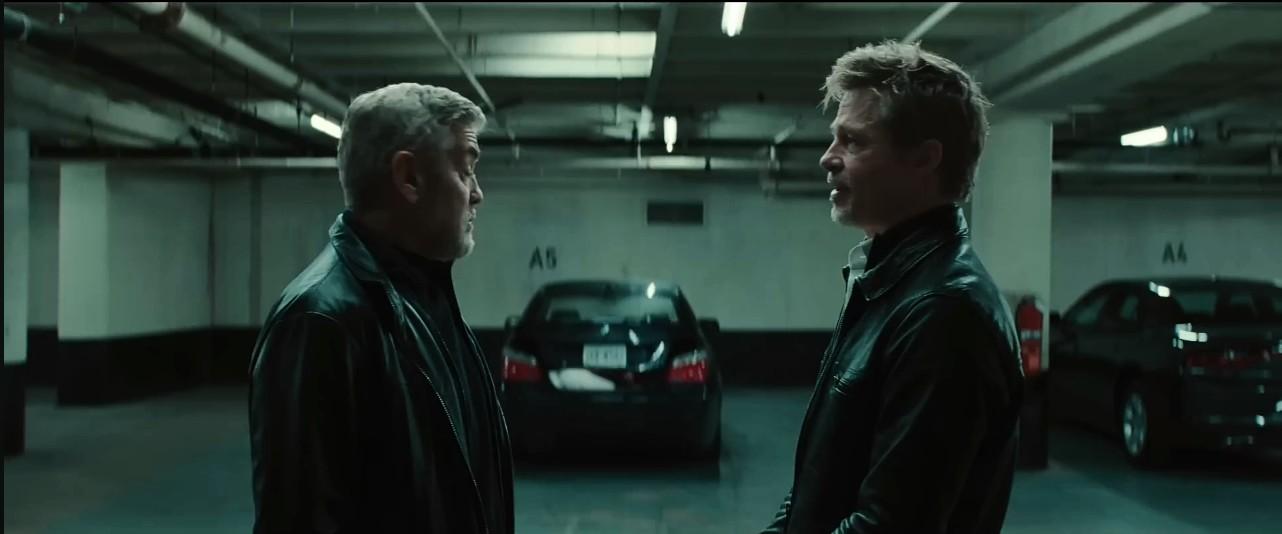
17. Wolfs (John Watts, USA)
A professional fixer is hired to cover up a high profile crime. But when a second fixer shows up and the two “lone wolves” are forced to work together, they find their night spiraling out of control in ways that neither one of them expected. With the reteaming of George Clooney and Brad Pitt as the titular Wolfs (a title that seems to riff on Winston Wolf, from Pulp Fiction), this has a lot of star wattage to draw the attention. Jon Watts previously helmed all three MCU Spider-Man movies, so he’ll probably relish the opportunity to cut lose a little – while retaining that mainstream appeal. Will he be more successful than, say, the Russo Brothers? At 100 minutes, this is also a rare example of a Venice premiere that knows the value of keeping things tight.
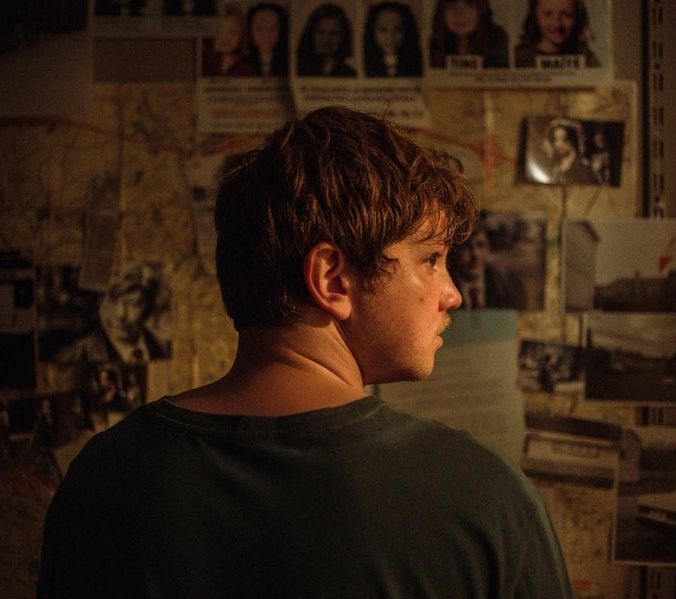
16. Maldoror (Fabrice Du Welz, Belgium/France)
Belgium, 1995. The disturbing disappearance of two young girls upsets the population and triggers an unprecedented media frenzy. An idealistic young gendarme, joins the secret “Maldoror” operation dedicated to the surveillance of a recidivist suspect – but when he’s confronted with the dysfunctions of the police system, he embarks alone on a manhunt that will drive him into obsession. Du Welz previously brought us the New French Extremity film Calvaire, and the best film to be based on the infamous ‘honeymoon killers’, Alleluia, so this tale of an obsessed policeman promises to be a must-watch for fans of tough, muscular genre work.
15. Broken Wrath (Takeshi Kitano, Japan)
Only just completed, this short (62 minutes) feature is said to be a metatextual affair that riffs on and references Kitano’s extensive body of work. The exact plot remains under wraps, but that’s all I need to know to want to get my hands on a ticket.
14. September 5 (Tim Fehlbaum, Germany)
Spielberg had his take on the aftermath of the 1972 Munich Olympics attacks in Munich; now this German film looks at the attacks themselves. That feels like touching a live wire in the current geopolitical situation – one way or another, this could be the talk of the festival.
13. Babygirl (Halina Reijn, Netherlands, USA)
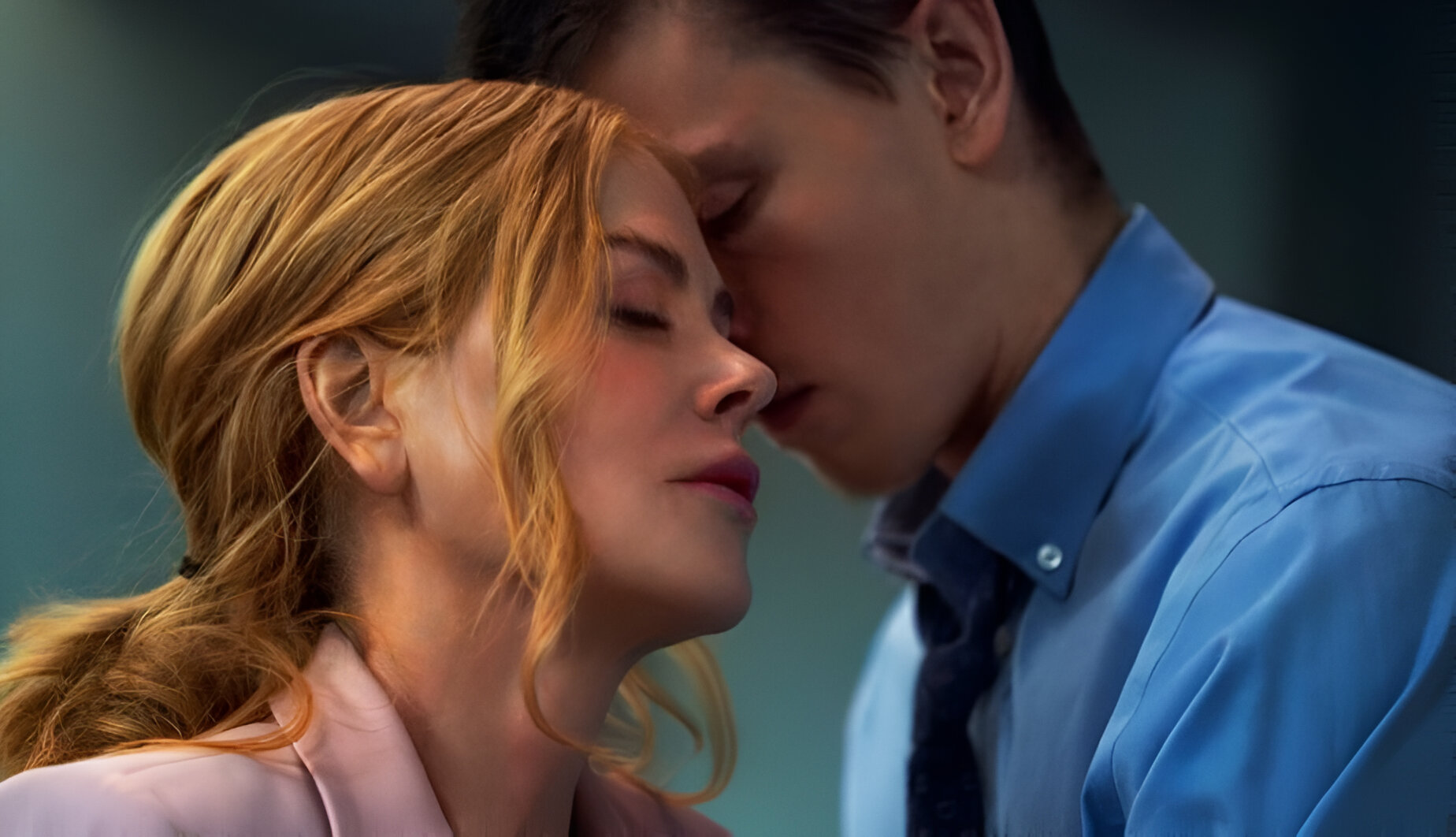
The director of Bodies Bodies Bodies is back with this tale of a career woman in her 40s (Nicole Kidman) who embarks on an affair with a 21-year-old intern (Harris Dickinson). With support from Antonio Banderas, Sophie Wilde, and Jean Reno!
12. Baby Invasion (Harmony Korine, USA)
A home invasion thriller shot as a first-person shooter video game, with everyone’s faces replaced by baby features. Korine continues with his EDGLRD nonsense, but I’m very hopeful this will be more fun than the interminable retina-torture of Aggro Dr1ft. In any case, it promises to be the topic of the day on the morning after.
11. Beetlejuice Beetlejuice (Tim Burton, USA)
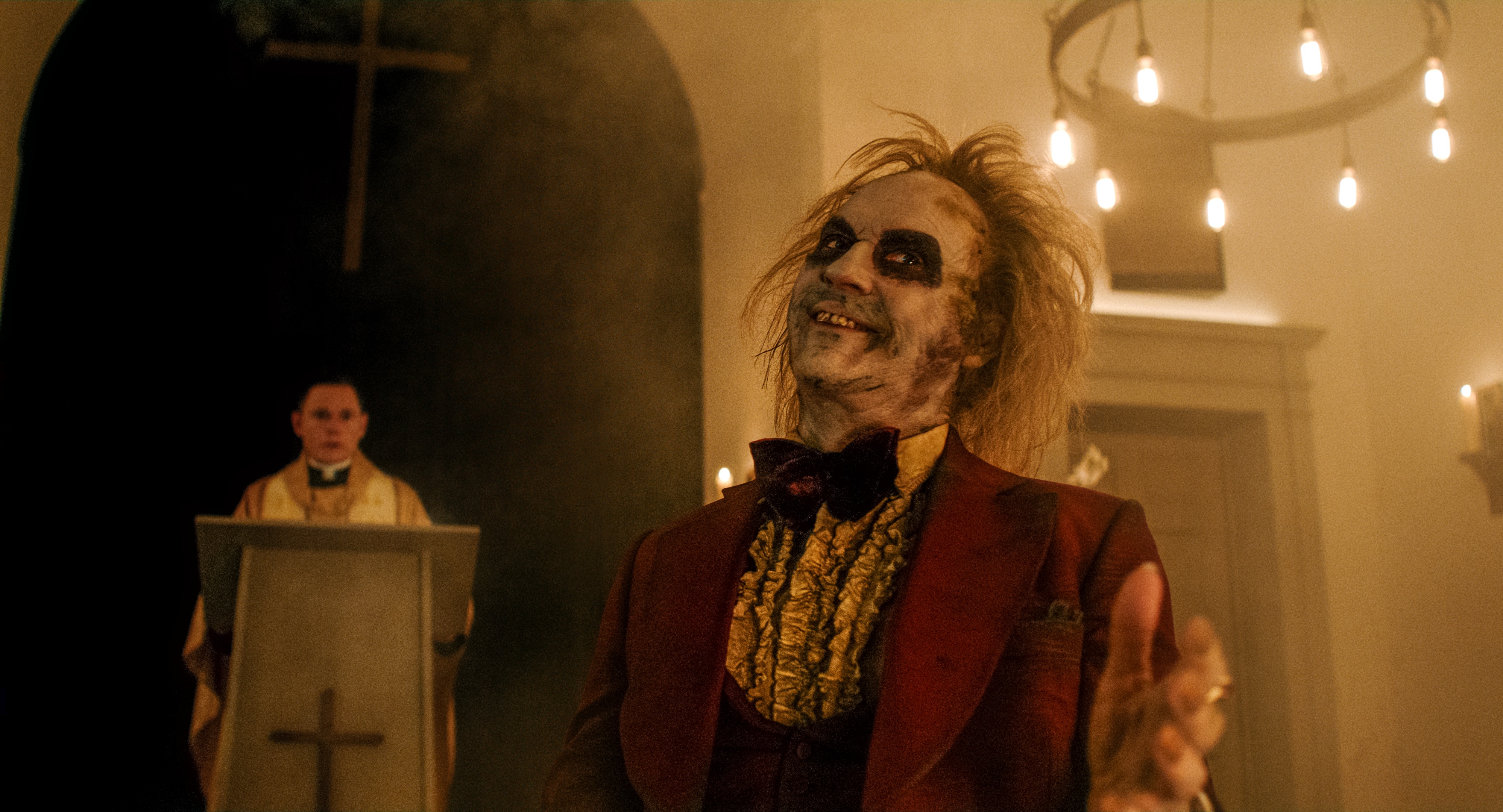
Thirty-six years after the events of the first film, the Deetz family returns home. But Lydia’s (Winona Ryder) life is turned upside down when her rebellious teenage daughter, Astrid (Jenna Ortega), discovers the mysterious model of the town in the attic and the portal to the Afterlife is accidentally opened, releasing Betelgeuse (Michael Keaton). Many were disappointed when this was announced as the opening movie. Well, screw ’em – the mere thought of the original takes me back to my earliest multiplex memories: the sight of the standee, the smell of the gummy worms and white chocolate mice, and later on the repeated rentals from the local VHS store. You can never go back, but you can try. And you can dream, dammit. The ‘Juice… just might be loose.
10. Stranger Eyes (Yeo Siew Hua, Singapore/France/Netherlands/Taiwan)
Following the disappearance of their 2-year-old daughter, Darren and Tara receive mysterious videos of their family and intimate life. When they find the voyeur, Darren decides to reverse the roles and spy on him in turn, without suspecting that this will lead him to confront his own image. Yeo Siew Hua’s thriller makes history as the first-ever Singaporean film to be in competition for the Golden Lion, and the surveillance and voyeurism-based plot suggests a touch of De Palma. Here’s hoping!
9. King Ivory (John Swab, USA)
A look inside the underworld of fentanyl trafficking from gangs inside the Oklahoma State Penitentiary at McAlester a.k.a. “Big Mac,” starring Ben Foster, James Badge Dale and Melissa Leo. John Swab brought us the grotty, nasty truck-stop sex-worker serial killer horror Candyland, so you know he’s not afraid of crunching violence, tense scenes in the toilet block, or an absolutely insane needle drop.
8. Joker: Folie à Deux (Todd Phillips, USA)
The programming team claimed the ending to this DC Comics sequel left their jaws “on the floor.” The presence of Lady Gaga, and the use of jukebox musical selections to convey love, hope, derealisation and psychotic euphoria, point to this being the most unusual attempt at a Hollywood blockbuster this year.

7. Maria (Pablo Larraín, Chile/Germany/Italy/USA)
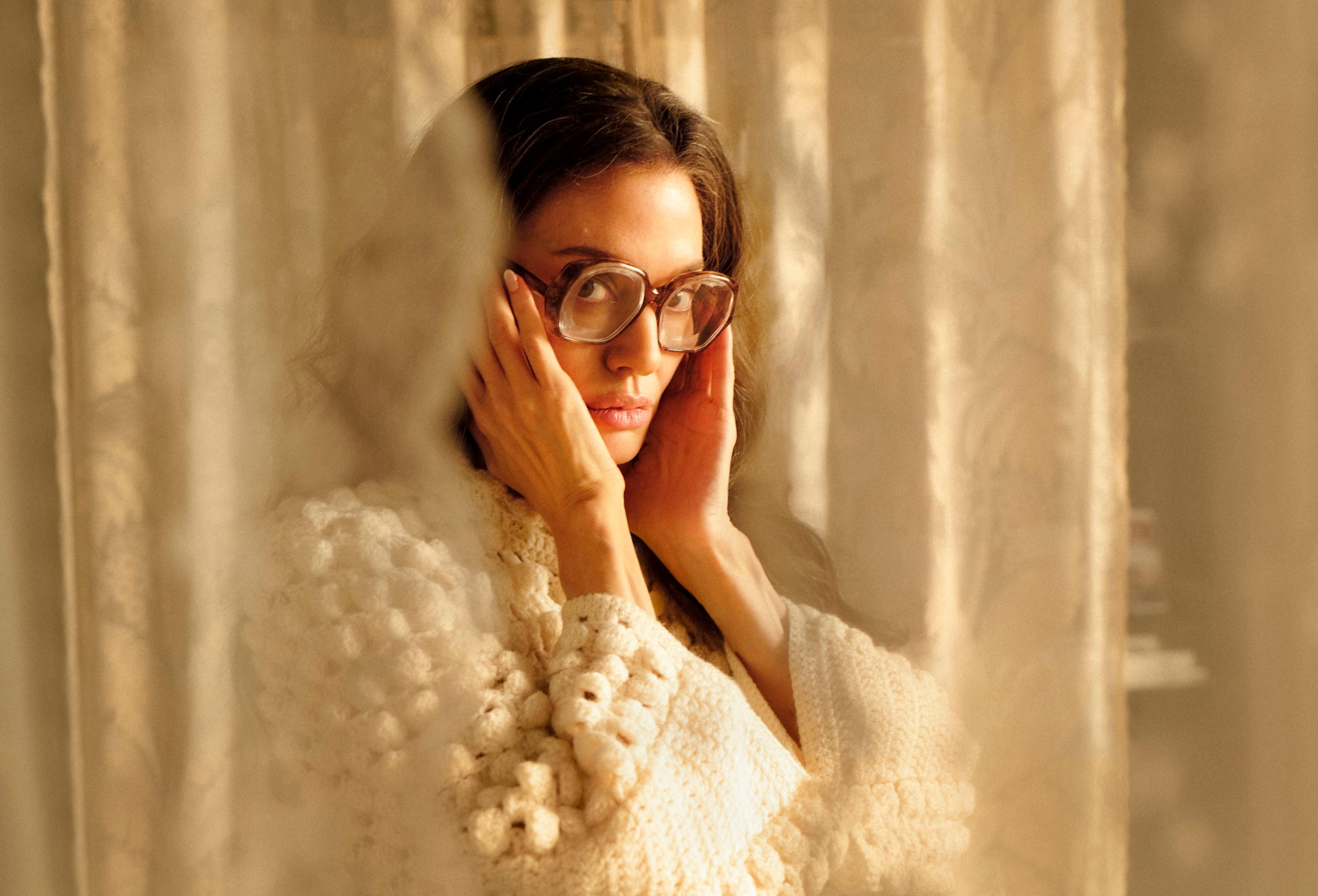
1977: Maria Callas, once the world’s greatest opera diva, lives in seclusion in Paris with her staff and her two poodles. Her health is getting worse and worse. Then she receives a request to go on tour again. Will La Callas sing again? And if so, for whom? Pablo Larraín brings his female biopic trilogy to a close, with Angelina Jolie playing the tragic opera singer. Alba Rohrwacher and Kodi Smit-McPhee are in support.
6. L’orto Americano (Pupi Avati, Italy)
A gothic horror tale with a touch of the supernatural, from the director of The House With The Laughing Windows and Zeder. He’s still going! And he’s back with the closing film at Venice! The plot synopsis is pure giallo – lost love, a mysterious woman, a scream in the dark, amatuer investigations – so hopefully Avato still has the old magic.
5. Queer (Luca Guadagnino, Italy/USA)
In this William Burroughs roman-a-clef adaptation, Lee (Daniel Craig) is an insecure man afflicted with heroin withdrawal who is driven to pursue a young man named Allerton (Drew Starkey). Also features Lesley Manville, Jason Schwartzman and (very eye-catchingly for cinephiles) David Lowery. You can almost feel Craig’s delight at being free from the shackles of the Bond franchise.

4. An Urban Allegory (Alice Rohrwacher & JR, Italy)
Agnes Varda managed it, and now it’s Alice Rohrwacher’s turn – can she make a good movie while co-directing with JR? This clocks in at only around 25 minutes, but Rohrwacher’s recent filmography (Happy As Lazzaro, La Chimera) have established her as one of the great voices of the age, and make this a must-see.
3. The Order (Justin Kurzel, UK/USA)
As baffled law enforcement scrambles for answers about a series of increasingly violent bank robberies, counterfeiting operations, and armored car heists through the Pacific Northwest in 1983, a lone FBI agent stationed in the sleepy, picturesque Idaho town of Coeur d’Alene comes to believe the crimes are not the work of traditional, financially motivated criminals, but a group of dangerous domestic terrorists inspired by a radical, charismatic leader plotting a devastating war against the United States government. This UK/USA co-production stars Jude Law and Nicholas Hoult on one side, and Tye Sheridan and Jurnee Smollett on the other, and promises to be a blast of genre thrills that’ll light up the Lido.
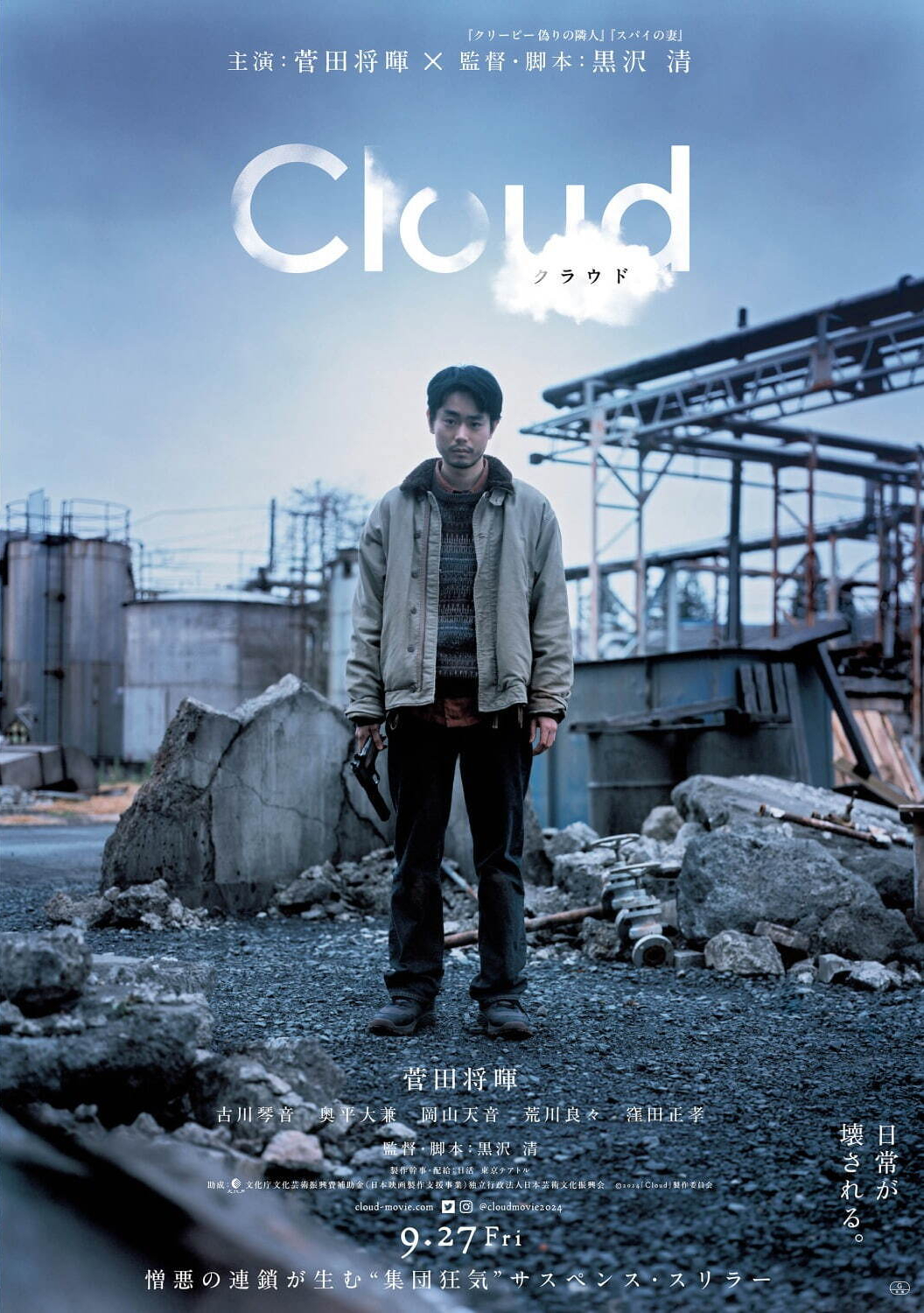
2. Cloud (Kiyoshi Kurosawa, Japan)
A man who sells artefacts on the internet is drawn into a criminal world. Described by the festival as ‘a perfect midnight movie’, this comes hot on the heels of Chime, Kurosawa’s 45 minute horror masterpiece that debuted at Berlin earlier this year. That terrifying film showed all the hallmarks of a director at the peak of his game – hopefully Cloud will show him going from strength to strength,
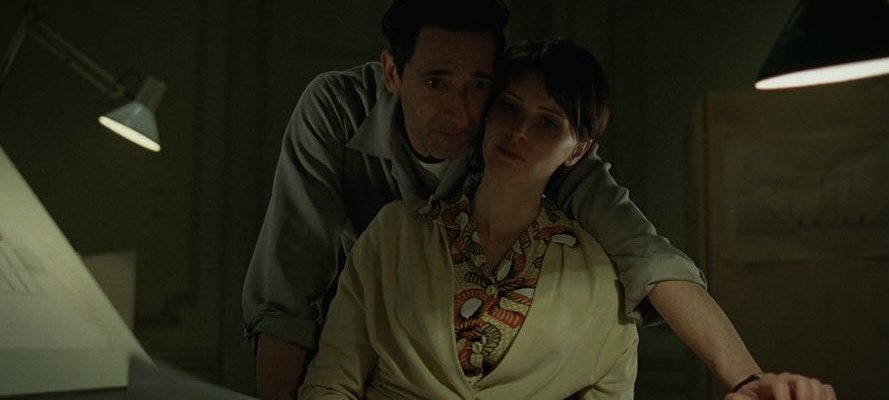
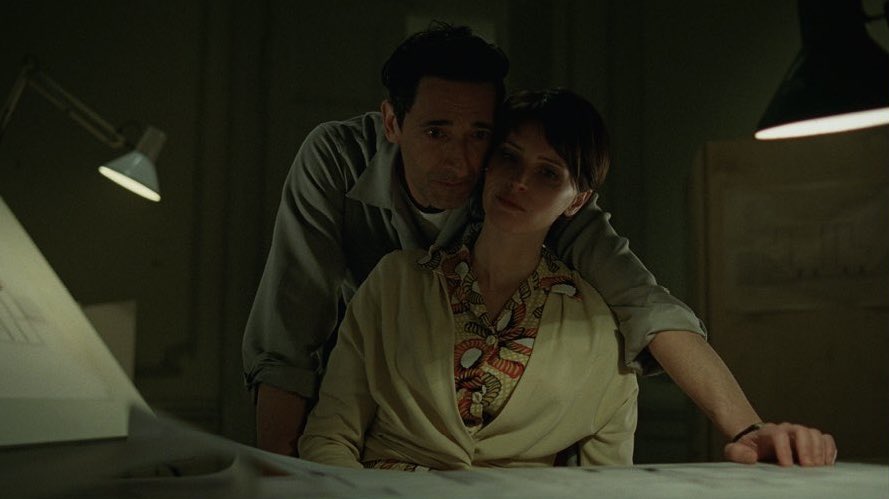
1. The Brutalist (Brady Corbet, Hungary/Poland/UK/USA)
When visionary architect László Toth and his wife Erzsébet flee Europe to rebuild their legacy and witness the birth of modern America, their lives are changed forever by a mysterious and wealthy client. This is Brady Corbet’s third film after The Childhood of a Leader and Vox Lux, both of which I love – especially …Leader. Clocking in around 3½ hours (and featuring an interval!), and shot in 70mm, this promises to be the most exciting epic riff on The Fountainhead to emerge this year. Sorry, Francis Ford Coppola!
 Whitlock&Pope
Pingback: Why film lovers are going gaga for The Brutalist’s upcoming Venice premiere | Whitlock&Pope