


★★★★
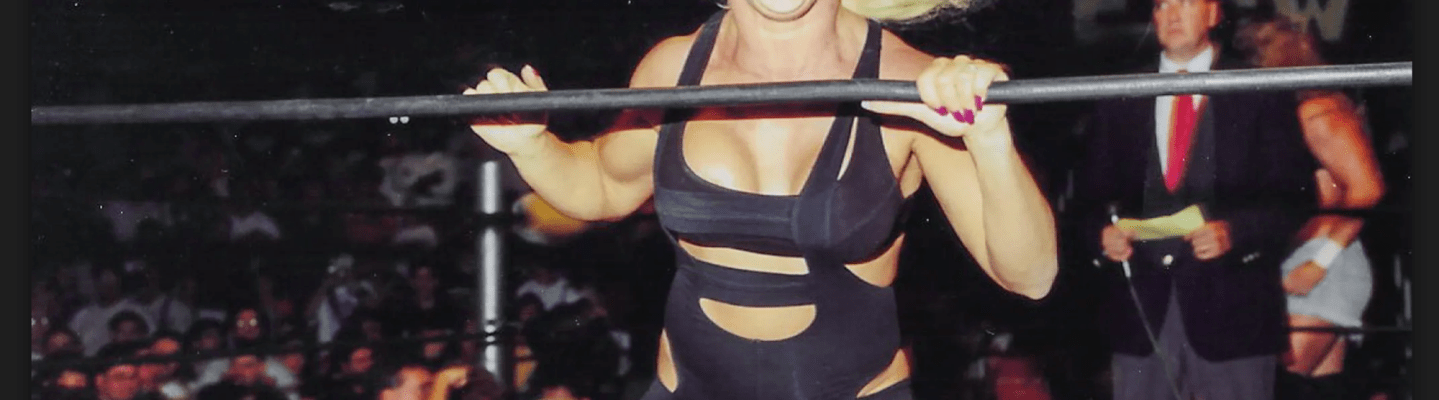
Luna Vachon was unforgettable in the ring and unprotected outside it. Kate Kroll’s Lunatic: The Luna Vachon Story restores her to scale, showing the human cost of a system that could not contain her.
The outline is a classic rise and fall. Luna Vachon was inducted into the Vachon wrestling dynasty, fought to give women wrestlers their due while pushed to the sidelines in the WWF, and whose career (despite stints in other leagues) was derailed by a combination of sexism, abuse, and personal mental heath struggles.
What gives Kate Kroll’s Lunatic: The Luna Vachon Story its weight is not the chronology but the testimony. The film’s most devastating passages are not about the ring but the culture surrounding it. Women were treated as sideshow novelties, subject to harassment from colleagues and exploitation from promoters. Kroll situates Luna within that world, and allows confidants to recall its darkest turns.
Her son Van Hurd passes on Luna’s disclosure that, at 13, she was raped by ‘Rowdy’ Roddy Piper. This allegation, devastating in its implications, is presented here without sensationalism. The inclusion shifts the tenor of the film, showing how early trauma fed into a lifetime of precarity – especially as this is said to be just one example of many such abuses by famous men.
Lina’s health becomes the other axis of her tragedy. Luna lived with bipolar disorder, a family history marked by suicide, and the brutal pharmacology of her profession: mood stabilisers, painkillers, steroids, recreational drugs, and alcohol. The cocktail was less a personal failing than an occupational hazard, a culture where triumph and destruction were two sides of the same act. And then, she was spat out.
Her son remembers a mother whose presence filled any room; Dave “Gangrel” Heath recalls the gothic theatrics they built together; Paul “Butcher” Vachon brings the blunt gravity of family authority. From the present, AEW referee Aubrey Edwards makes it clear that the struggles that shaped Luna still echo in the locker rooms of today. The result is a fierce, lucid tribute that refuses to drift into hagiography.
Formally, Kroll and editor Aynsley Baldwin keep the approach spare. Interviews are shot cleanly by Claire Sanford and Sarah Thomas Moffatt, the archival is functional, and Conan Karpinski’s score is effective and gently emphatic. The cut is long, yet the pacing holds. By keeping the style so restrained, Kroll gives Luna the spotlight she deserved.
If much of this ground was covered in Dark Side of the Ring or The Last Villains, Lunatic distinguishes itself through coherence. Kroll reshapes the fragments into a clear argument about Luna’s significance and the conditions that constrained her. Paul Vachon’s late life testimony is devastating in its simplicity, while Edwards reframes Luna’s struggles as both warning and legacy. The effect is of a wrestler’s legend restored to scale, her presence neither diminished nor exaggerated.
Towards the end, the picture broadens to include more and more other women wrestlers, and show the scale of the problems that permeate the culture – even including WWF footage of a ‘breast surgeon’ brought into the ring to ‘confess’ to enhancing a wrestler’s chest so that she can be drummed out of the league, as a “work” (that is, a theatrical bit). As Luna’s efforts are undone and the women’s league descends back into T&A, the feeling is of great opportunities for all involved just slipping away.
As record, Lunatic: The Luna Vachon Story is comprehensive; as cinema, it is humane, and persuasive. The film grants Luna the dignity of being seen whole, her rough edges intact. It refuses to smooth Luna down, and in that choice it finds the truest tribute.
Lunatic: The Luna Vachon Story played at Fantastic Fest in Austin, TX.
 Whitlock&Pope